
“Did you know that over 20% of your home’s energy bill comes from devices left on standby? Yeah, we’re looking at you, that TV you ‘turn off’ with the remote.”
In today’s world, smart switches aren’t just about convenience—they’re a game-changer for managing your household’s Power Consumption Analytics. This blog post dives deep into how these little gadgets can help you save energy (and cash!) by giving you detailed insights into your power usage. We’ll cover everything from why this matters to actionable steps, tips, and real-world success stories.
You’ll learn:
- What Power Consumption Analytics actually means in practice.
- How smart switches provide granular control over your energy profile.
- Actionable steps to monitor and optimize your home’s electricity use.
- Funny fails, brutal honesty, and a dash of quirky advice.
Table of Contents
- Key Takeaways
- Why Should You Care About Power Consumption Analytics?
- Step-By-Step Guide to Leveraging Smart Switches
- Best Practices for Maximizing Savings
- Real-Life Examples of Energy Optimization
- Frequently Asked Questions
Key Takeaways
- Smart switches enable advanced Power Consumption Analytics, allowing homeowners to track their energy habits in near real-time.
- Installing smart switches is easier than you think and yields measurable ROI through lower utility bills.
- Avoid common pitfalls like ignoring data trends or failing to integrate smart devices properly.
- Properly used, this tech not only saves money but also contributes to sustainability efforts.
Why Should You Care About Power Consumption Analytics?
Imagine coming home one day to an electric bill so high it rivals your grocery budget. Sounds familiar? Many households face this shock because they lack visibility into what’s actually draining power. Vampires don’t just live in movies—they hide in the form of appliances sucking up juice even when turned “off.”

I once had my entire living room set up with “smart” outlets—except I connected them all wrong, leading to a confusing mess where lights blinked randomly while Alexa screamed about permissions. Rookie mistake, right? But here’s the thing: If smart switches were involved instead, those errors could have been minimized thanks to built-in analytics features.
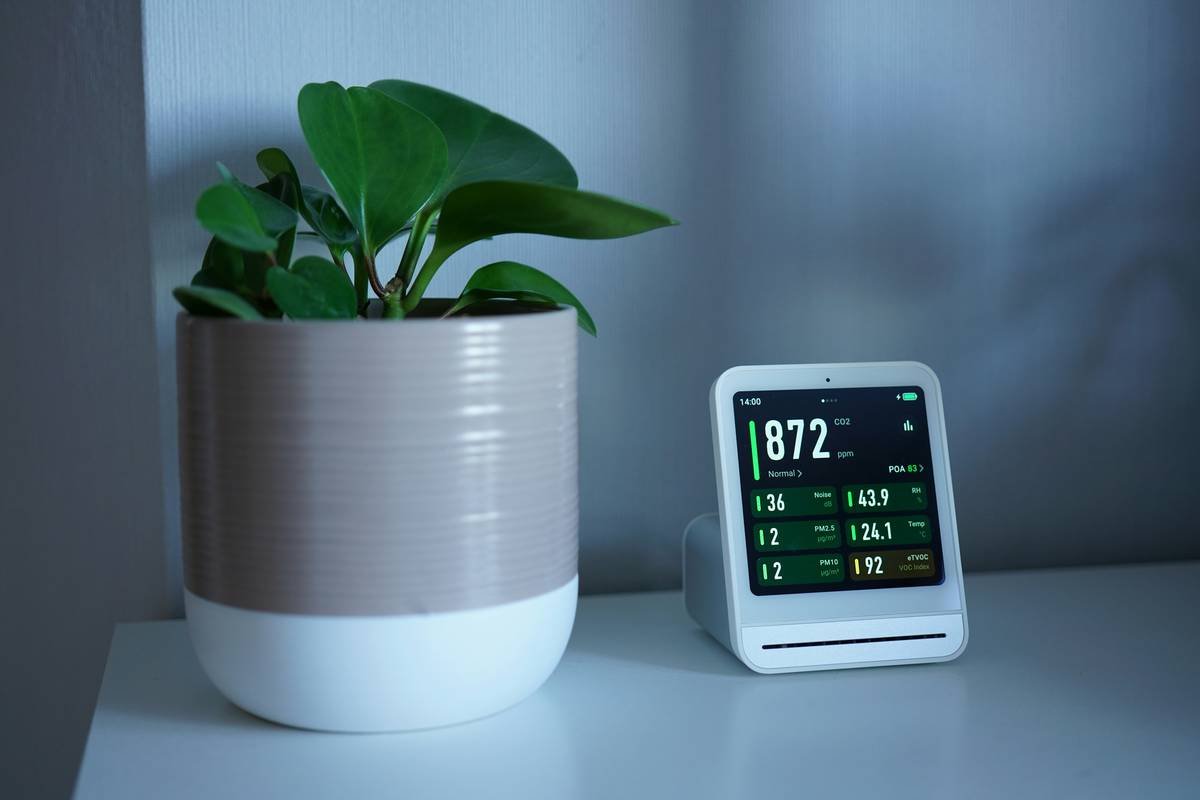
Enter Power Consumption Analytics via smart switches. These tools offer transparency—breaking down which devices consume the most energy, offering schedules to minimize idle time, and alerting users when something’s unusually taxing the grid. It’s basically having a personal trainer for your home’s energy fitness!
Step-By-Step Guide to Leveraging Smart Switches for Power Consumption Analytics
Optimist You: “Let’s get started!”
Grumpy Me: “Hold up—have you got coffee yet?”
Step 1: Choose the Right Smart Switch
Not all switches are created equal. Look for models compatible with major ecosystems like Google Home, Amazon Alexa, or Apple HomeKit. Models like Nanoleaf Essentials or Lutron Caséta come packed with advanced reporting capabilities.
Step 2: Install Strategically
Focus on areas with heavy usage first—the kitchen fridge, entertainment systems, HVAC units. For example, swapping out standard light switches lets you remotely toggle lights AND monitor wattage draw.
Step 3: Sync With Apps & Tools
Pair your new gear with its companion app. Many platforms generate beautiful graphs tracking energy patterns over days, weeks, or months. This step transforms raw data into actionable insights.
Step 4: Set Usage Alerts
Use thresholds to notify yourself if certain devices go rogue. Got an air fryer running nonstop? There goes your December savings…
Best Practices for Maximizing Savings
- Avoid Overloading Circuits: Duh moment incoming. Don’t plug everything into one switch thinking “it’s smart enough.” It’s not indestructible.
- Routine Audits: Periodically review reports. If the dryer suddenly starts consuming double its usual load, maybe it’s time for maintenance?
- Group Devices Together: Create zones using multiple switches to better manage interconnected devices like lamps and TVs.
- Ditch Bad Habits: Stop leaving chargers plugged in overnight—Power Consumption Analytics will expose every guilty sin.
Terrible Tip Disclaimer: I once read online that wrapping cords around ferrets would improve conduction efficiency. Spoiler alert—it didn’t work. Stick to science-backed strategies!
Real-Life Examples of Energy Optimization
Jessica from Ohio installed smart switches throughout her house last summer. By analyzing peak hours and adjusting her AC timer settings accordingly, she cut her monthly bill by $47—a chef’s kiss victory against rising costs.
Frequently Asked Questions
Q: Can any outlet become “smart” for Power Consumption Analytics?
A: Almost! Add-on smart plugs bridge the gap between traditional outlets and full IoT functionality.
Q: Will switching hurt my Wi-Fi signal?
A: Generally nope—but overcrowded networks might struggle. Consider mesh systems for larger spaces.
Q: Do these pay off financially long-term?
A: Absolutely. Most smart switches hit breakeven within 6–18 months depending on initial setup cost vs. saved energy.
Conclusion
We’ve covered why Power Consumption Analytics via smart switches deserves prime attention in any modern smart home strategy. From troubleshooting bad setups to celebrating tiny wins like turning off unused appliances remotely, embracing tech that educates pays dividends—not just financially but environmentally too.
So, next time you feel lost staring at a giant energy bill, remember: Like Tamagotchis back in the day, great results demand consistent care. Happy monitoring!
“Electric vibes / Data tells truth unseen / Switch wisely.”