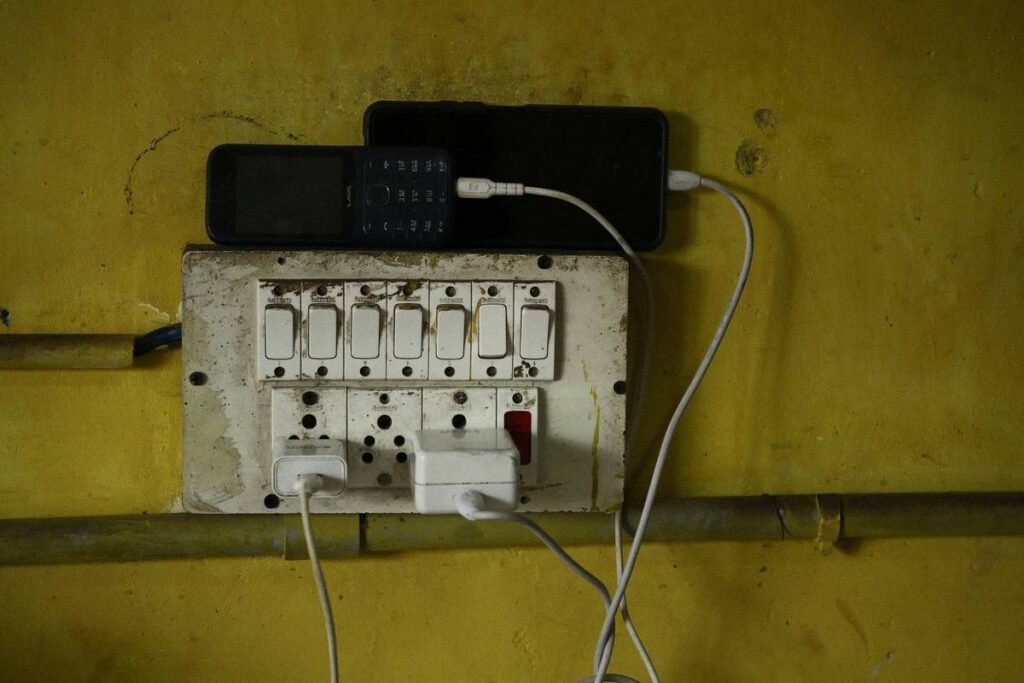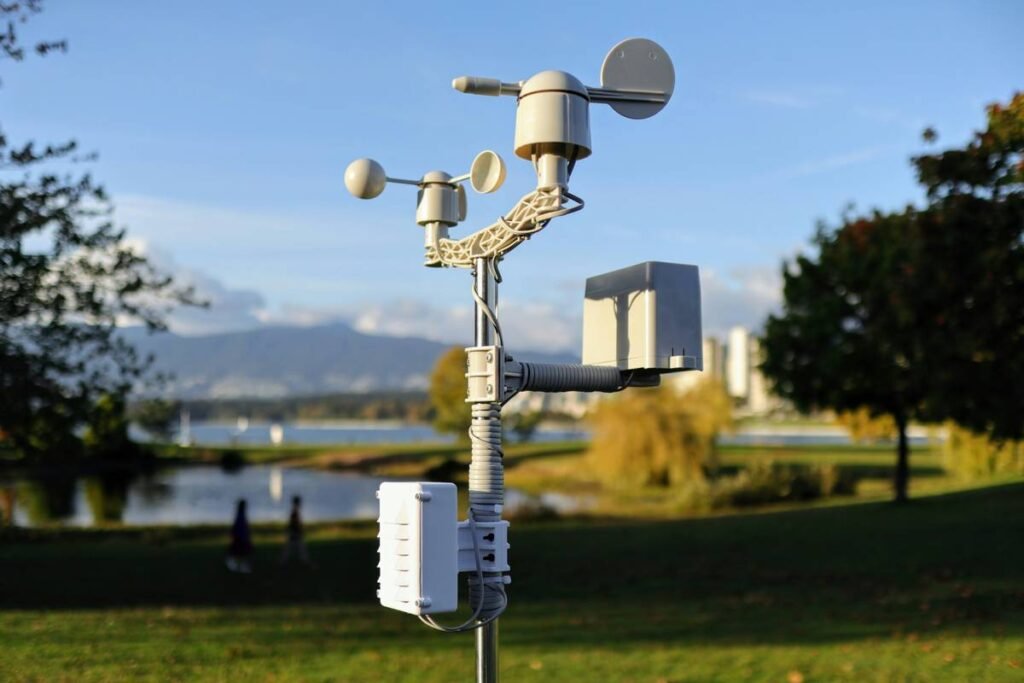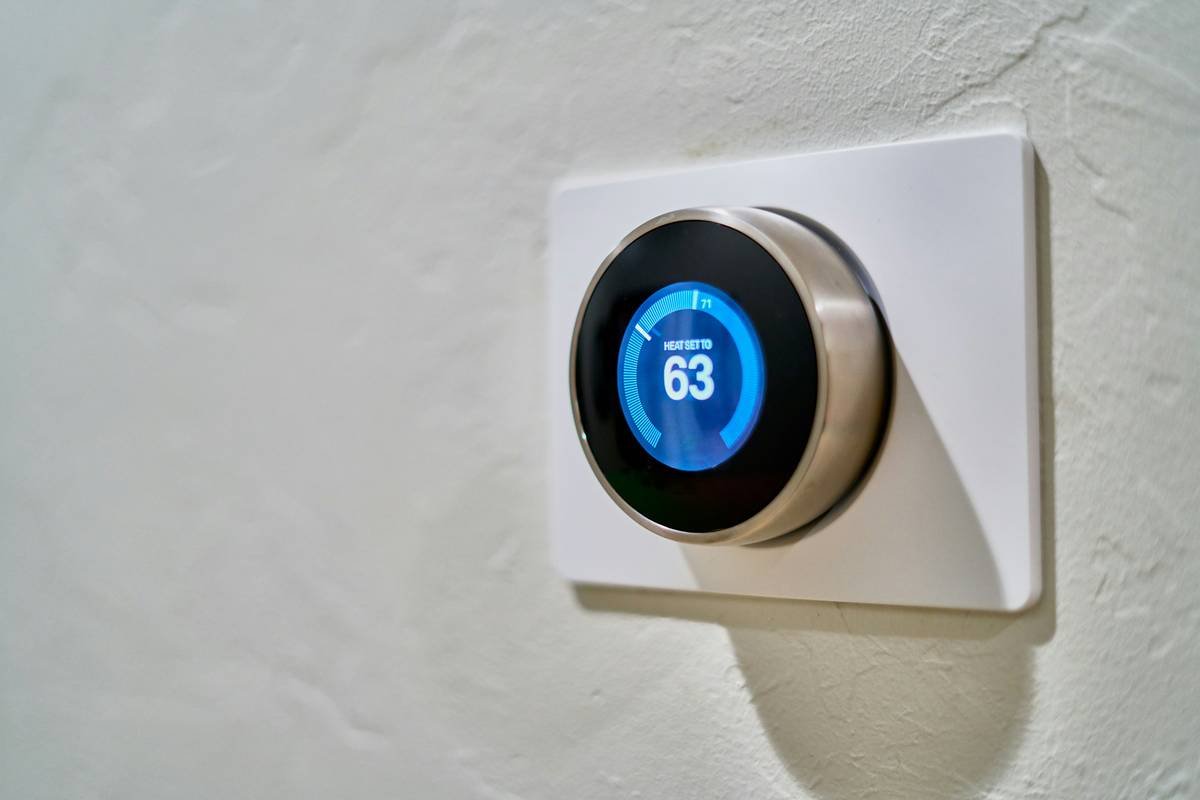
Ever stared at your electricity bill wondering where all that money went? Yeah, me too. Last month, I realized my “smart home” was actually draining my wallet faster than a 4K render melts my laptop fan—whirrrr. Turns out, I wasn’t alone. Studies show that households waste up to 35% of energy due to inefficient devices and habits. But here’s the kicker: Energy Monitoring Systems paired with smart switches could be the tech superhero you didn’t know you needed.
In this guide, you’ll learn how these systems work, why they matter for your smart switch setup, and how to implement them like a pro—even if technology usually leaves you screaming into your coffee mug. From actionable steps to brutal honesty about common mistakes, we’ve got your back!
Table of Contents
- Introduction to Energy Monitoring Systems
- How They Transform Smart Switches
- Step-by-Step Guide to Set Up Your System
- Best Practices for Success
- Real-World Case Studies
- FAQ About Energy Monitoring Systems
Key Takeaways
- Energy Monitoring Systems track every watt your smart switches use and help cut costs.
- Pairing smart switches with energy monitoring boosts efficiency and extends device life.
- Avoid the rookie mistake of ignoring data trends or overloading circuits.
- Real-world savings can range from $200–$600 annually per household.
What Are Energy Monitoring Systems?
Let’s break it down. Ever seen one of those fitness trackers that count your steps? Energy Monitoring Systems are basically the Fitbit for your home’s electrical consumption. These bad boys track real-time usage across all devices connected to your grid—including your shiny new smart switches.
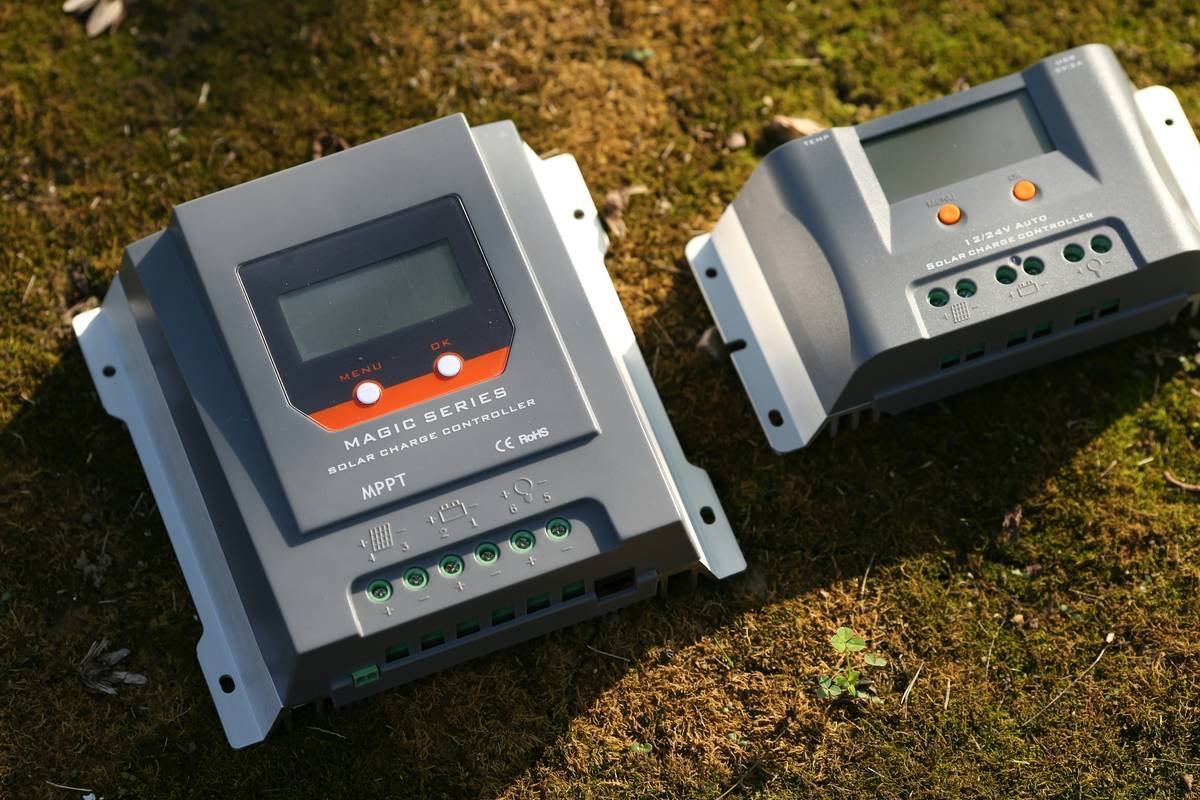
Why does this even matter? Because knowledge is power (pun intended). With granular insights into what’s sucking up juice—be it your always-on gaming PC or that vampire standby TV—you can make smarter decisions. And when combined with smart switches, you unlock a whole new level of control and automation.
How Do They Work Wonders with Smart Switches?
“Optimist You:* Adds Wi-Fi-enabled plugs everywhere!”
Grumpy You: “Ugh, but now my lights flicker because someone forgot surge protection.”
Here’s the deal: Smart switches aren’t just fancy on/off toggles—they’re part of a bigger ecosystem designed to optimize your home. When paired with Energy Monitoring Systems:
- You gain remote access to turn off unused devices.
- Automated schedules prevent wasteful standby modes.
- Data insights let you prioritize which gadgets deserve prime-time power slots.
For example, imagine getting alerts when your living room lamp guzzles more energy than your fridge. That’s actionable intel right there!
Step-by-Step Guide to Setting Up Your Own System
Ready to geek out? Here’s how to integrate Energy Monitoring Systems with your smart switches:
Step 1: Evaluate Your Current Setup
Grab a flashlight and peek inside your circuit breaker panel. Got old-school wiring? Time to upgrade. Modern homes need robust infrastructure to support advanced tech like this.
Step 2: Choose Compatible Devices
Pick smart switches certified to integrate seamlessly with popular platforms like Alexa, Google Home, or Apple HomeKit. Bonus points if they offer built-in energy tracking features.
Step 3: Install the Hardware
Pro Tip: If wires intimidate you, hire an electrician. Better safe than sorry. Once installed, connect each switch to your network via its companion app.
Step 4: Sync with an Energy Monitoring System
This is where the magic happens. Link apps like Sense or Smappee to see detailed breakdowns of your entire home’s energy profile—including contributions from individual smart switches.
Top Tips for Maximizing Efficiency
Listen closely. This next bit might save your sanity (and budget).
- Avoid Overloading Circuits: Even the best switch will fry under too much load. Distribute appliances wisely.
- Use Peak Hour Automation: Schedule non-essential tasks during off-peak hours to slash utility rates.
- Regularly Review Reports: Don’t set it and forget it. Monthly reviews ensure continuous improvement.
Success Stories from Early Adopters
Sarah T., a proud homeowner from Denver, shares her win: “After installing smart switches synced with an Energy Monitoring System, I discovered our basement freezer was running constantly due to poor insulation. Fixing that issue alone saved us $80/month!”
Another case study? Mark R., who automated his kitchen appliances based on daily routines, reported a whopping 25% reduction in overall bills within three months. “It’s chef’s kiss for drowning utility charges,” he quips.
Frequently Asked Questions
Q: Can I retroactively add energy monitoring to existing smart switches?
A: Yes, but compatibility varies. Check your model against supported integrations.
Q: Is professional installation worth it?
A: Absolutely. While DIY saves upfront cash, improper setups lead to headaches and higher repair costs later.
Q: Will adding energy monitoring increase my Wi-Fi bandwidth demands?
A: Minimal impact, as most systems communicate sparingly. Still, beef up your router if older models struggle.
Conclusion
To sum it up, Energy Monitoring Systems paired with smart switches don’t just elevate convenience—they revolutionize sustainability. By understanding exactly how much power flows through your home and leveraging intelligent automation, you trim costs AND carbon footprints.
So whether you’re a tech-savvy eco-warrior or just trying to dodge another shocking utility invoice, consider upgrading ASAP. After all, saving money feels pretty darn good…like finding five bucks in last winter’s coat pocket.
“Like flipping a switch,
Your home becomes sleek,
Savings flow effortlessly.”