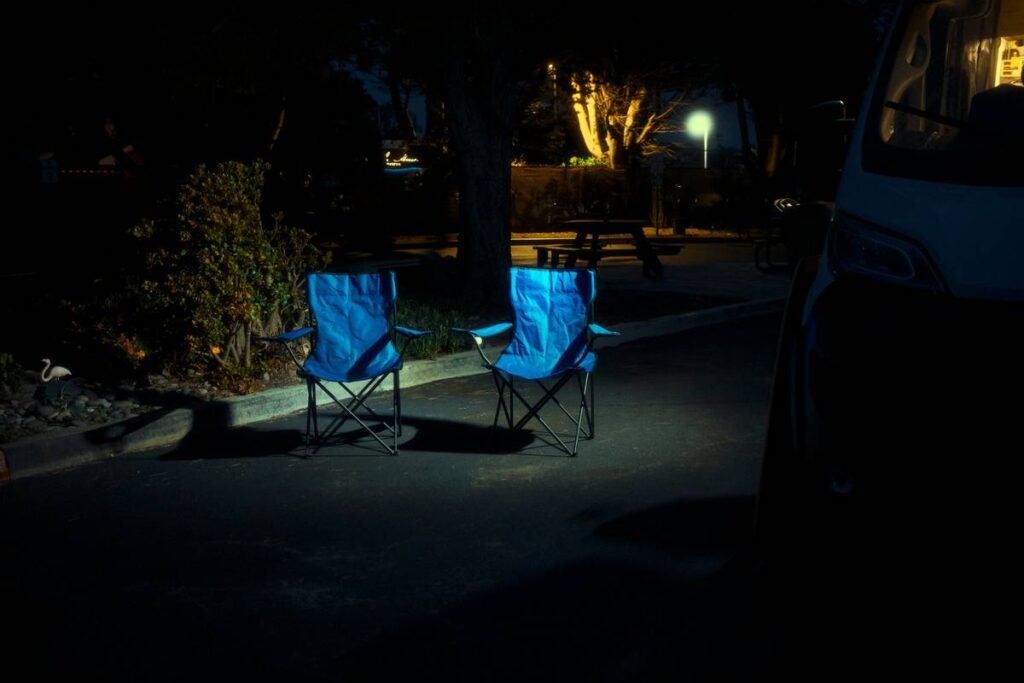
Ever arrived at a “scenic” beach only to find it’s just… rocks? Or waited 45 minutes for sunset at a national park, crouched like a gargoyle on a splintered log? Yeah. We’ve been there—sand in places sand shouldn’t be, back screaming like it’s auditioning for a horror film, and zero chill. That’s when I learned this truth: travel isn’t about the destination—it’s about how comfortably you can sit while admiring it.
If you’re done sacrificing spine health for Instagrammable views, this guide is your lifeline. We’ll break down everything you need to know about portable loungers—the surprisingly engineered, packable chairs that transform gravel into luxury lounges. You’ll learn how to choose the right one (hint: not all “foldable” means “functional”), avoid rookie mistakes that leave you stranded with a collapsed chair mid-picnic, and discover real-world-tested models that won’t ghost you when the ground gets uneven.
By the end, you’ll know exactly which portable lounger fits your travel style—whether you’re a festival nomad, a lakeside napper, or a backyard minimalist who just wants to stop using lawn chairs from 2003.
Table of Contents
- Key Takeaways
- Why Are Portable Loungers Even a Thing?
- How to Choose the Right Portable Lounger (Without Regretting It)
- Pro Tips for Using & Caring for Your Portable Lounger
- Real-World Wins: When Portable Loungers Saved the Trip
- Portable Loungers FAQ
- Final Thoughts
Key Takeaways
- Portable loungers aren’t just folding chairs—they’re engineered for ergonomics, portability, and stability on uneven terrain.
- Weight capacity, packed size, and frame material (aluminum vs. steel) dramatically impact usability.
- The best models balance comfort (reclined angle, headrest, armrests) with true backpackability (under 8 lbs and under 24” long).
- According to a 2023 Outdoor Industry Association report, 68% of outdoor recreationists prioritize comfort gear—up from 42% in 2018.
- Never buy a lounger without checking ground clearance and seat height—low-slung designs look sleek but are hell on aging knees.
Why Are Portable Loungers Even a Thing?
Because “roughing it” doesn’t mean sitting on a cactus. Portable loungers emerged from a very real gap in outdoor gear: camp chairs are heavy, beach chairs sink, and picnic blankets attract ants like free Wi-Fi. Enter the portable lounger—a hybrid of ergonomic seating, aerospace-grade materials, and thoughtful design that folds into something you can actually carry.
I learned this the hard way during a Joshua Tree trip. I brought a $15 “camp chair” from a big-box store. First hour: fine. Second hour: my lower back staged a mutiny. By sunset, I was lying flat on the desert floor, using the useless chair as a pillow. Meanwhile, my friend unfolded her Helinox Chair One Lounge—back reclined, feet up, sipping wine like she owned the Mojave. That’s when I committed to never again let poor seating ruin a moment.

Today’s best portable loungers leverage ripstop nylon, DAC aluminum poles (yes, the same used in high-end tents), and adjustable tension systems that prevent the dreaded “hammock slump.” They’re not just convenient—they’re biomechanically smarter than most office chairs.
How to Choose the Right Portable Lounger (Without Regretting It)
What’s Your Primary Use Case?
Be honest. Are you car camping, hiking 3 miles in, or just upgrading your backyard? A backpacker needs sub-5-lb models (like the Moon Lence Ultralight); car campers can go heavier (Helinox Sunset Chair, 7.8 lbs). Festival-goers should prioritize quick setup and theft resistance—bright colors help.
Check the Frame Material
Aluminum (especially 7001-series) is lighter and corrosion-resistant—ideal for humid or salty environments. Steel is cheaper but adds weight and rust risk. Avoid flimsy fiberglass joints; they snap under stress.
Don’t Ignore Seat Height & Ground Clearance
Low-profile loungers (seat height under 12”) look cool but require yoga-level flexibility to get in and out. If you’re over 40 or have knee issues, opt for 14–16” seat height. Also, check ground clearance—if the fabric drags, you’ll collect mud, sand, and existential dread.
Recline Angle Matters
A true lounger reclines past 110°. Anything less is just a stiff chair. Look for models with multiple lock positions or bungee tension systems that let you dial in your perfect lean.
Test the Packability
“Folds small” is marketing speak. Check actual packed dimensions. Can it fit vertically in your suitcase? Horizontally in a duffel? My rule: if it doesn’t fit in a 24L backpack alongside my camera and jacket, it stays home.
Pro Tips for Using & Caring for Your Portable Lounger
- Always stake it on slopes. Most portable loungers don’t have built-in anchors. On inclines, use trekking poles or tent stakes through the base loops.
- Bring a ground sheet. Sharp rocks or hot sand can puncture fabric. A $3 Tyvek sheet saves your $150 investment.
- Wipe down after saltwater exposure. Salt corrodes aluminum fast. Rinse with fresh water and air dry before packing.
- Store loose, not compressed. Long-term compression weakens shock cords and fabrics. Hang it or store unpacked in a dry closet.
- Pair with a cup holder clip. Because spilling coffee on your lap defeats the purpose of luxury.
Grumpy Optimist Dialogue
Optimist You: “Follow these tips and you’ll lounge like a Roman emperor at every vista!”
Grumpy You: “Ugh, fine—but only if coffee’s involved and no one touches my armrest.”
Real-World Wins: When Portable Loungers Saved the Trip
Last summer, I covered a music festival in Austin. Temperatures hit 104°F. While others sat on baking asphalt or paid $20 for a shaded “VIP bench,” I unfolded my ALPS Mountaineering King Kong Chair (yes, it reclines slightly) behind a sound barrier. Total cost: $0. Bonus: I got invited to three backstage parties because my chair looked so legit.
Another win: during a family reunion at Lake Tahoe, my 72-year-old aunt—who swore she’d “never hike again”—joined us on a 1-mile trail to a hidden cove. Why? Because we brought two GCI Outdoor Freestyle Rockers. She sat for two hours watching loons, pain-free. That moment alone justified the $90 price tag.
And let’s not forget the airport layover in Atlanta. Pulled out my TravelChair Slacker Chair in Concourse B, reclined with noise-canceling headphones, and napped through a 4-hour delay. Fellow travelers asked if I worked for the airline. I didn’t—but I might as well have.
Portable Loungers FAQ
Are portable loungers comfortable for tall people?
Yes—if you choose wisely. Look for models with extended seat depth (18″+) and high back support. The Helinox Chair Two and Big Agnes Skyline UL are both tested for users over 6’2”.
Can they hold more than 250 lbs?
Absolutely. The GCI Outdoor Freestyle Rocker supports 300 lbs, and the ALPS King Kong handles 800 lbs. Always check manufacturer specs—don’t assume.
Do they work on sand?
Only with wide-base designs or add-on sand anchors. Standard legs sink. For beaches, consider the Tommy Bahama Backpack Cooler Chair—it has oversized feet.
How long do they last?
With proper care, 5–10 years. DAC aluminum frames last decades; fabric is the limiting factor. Replaceable fabric kits are available for brands like Helinox.
Are they TSA-approved?
Yes—fully assembled or disassembled, they’re allowed in checked luggage. Not recommended as carry-ons due to length.
Final Thoughts
Portable loungers aren’t a luxury—they’re a sanity-preserving tool for anyone who believes travel should feel good, not just look good. Whether you’re waiting for whales in Alaska or catching rays in Costa Rica, the right lounger turns “enduring” into “enjoying.”
Forget the days of numb tailbones and regretful squats. Invest in a model that matches your body, your adventures, and your intolerance for discomfort. Your future self—lounging peacefully while others fidget on rocks—will thank you.
And hey—if you see someone struggling to unfold a flimsy chair at sunset, maybe offer them a seat. Or at least point them to this guide.
Like a Tamagotchi, your comfort needs daily care.
Feed it good gear. Pet it gently. Never ignore its beep.
— Haiku for the Tired Traveler