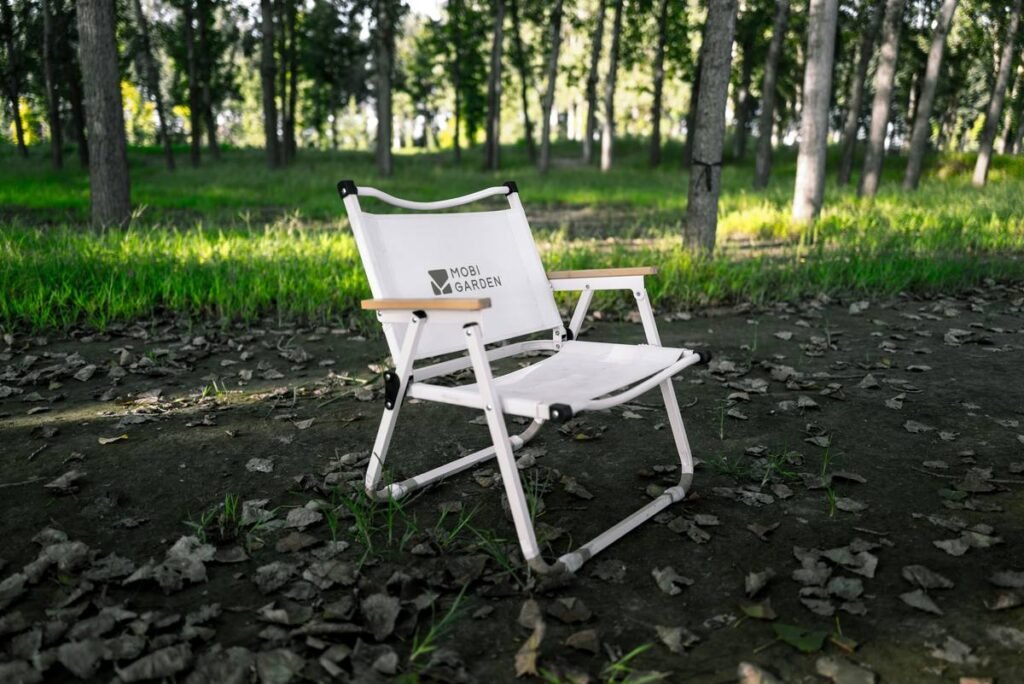
Ever reached the halfway point of a grueling hike only to realize you have nowhere comfortable to sit? Yeah, we’ve all been there.
In this guide, we’ll unpack everything you need to know about Hiking Trail Rest Solutions, from portable chairs to creative rest-stop setups. Along the way, you’ll discover tips, hear some confessions (including my epic fail with a “folding chair” that didn’t fold), and even rant about hikers who leave their trash behind. Let’s get into it!
Table of Contents
- Key Takeaways
- The Problem: Why Rest Matters on Hikes
- Step-by-Step Guide to Choosing Your Rest Solution
- Top Tips for Using Portable Chairs Effectively
- Real-Life Examples of Happy Hikers
- Frequently Asked Questions About Hiking Trail Rest Solutions
Key Takeaways
- Portable chairs are lightweight, compact, and essential for long hikes.
- Picking eco-friendly products helps preserve trails for future adventurers.
- Avoid cheap knock-offs—invest in durable gear designed for outdoor use.
- Dedicated rest solutions improve physical recovery during breaks.
- Cleaning up after yourself is non-negotiable; don’t be *that* person.
The Problem: Why Rest Matters on Hikes
Picture this: You’re eight miles deep into a remote trail, sweat dripping down your face, and every muscle screaming for mercy. But guess what? There’s no flat rock or log in sight. This scenario isn’t just uncomfortable—it’s downright dangerous if you push yourself too hard without proper rest.
I vividly remember an embarrassing moment when I decided to bring along a folding camp chair labeled “ultralight.” Spoiler alert: It wasn’t. Not only did it add unnecessary weight to my pack, but it also refused to collapse properly mid-hike. Lesson learned: Always research before buying!

Optimist You:
“Rest stops can transform your experience!”
Grumpy You:
“Yeah, yeah—if only other hikers stopped leaving their granola bar wrappers around.”
Step-by-Step Guide to Choosing Your Rest Solution
Step 1: Assess Weight and Portability
Your first consideration should always be how much extra baggage you want to carry. Lightweight options like trekking pole chairs weigh under two pounds and easily attach to your backpack. Bonus points if they come with a carrying case!
Step 2: Consider Comfort Features
Ergonomics matter more than you think. Look for padded seats, adjustable backrests, and sturdy frames that won’t dig into your thighs after five minutes.
Step 3: Match Gear to Terrain
If you frequently tackle rocky paths, opt for chairs with spiked feet for stability. For sandy beaches or snowy terrains, inflatable models might work better since they adapt well to uneven surfaces.
Top Tips for Using Portable Chairs Effectively
- Set Ground Rules: Never place your chair near cliff edges or unstable slopes. Safety first!
- Practice Packing: Test-fit your chair inside your bag before hitting the trail. Saves time—and frustration.
- Pack Extra Bags: Bring garbage bags to ensure you leave zero traces behind. Rant incoming: Seriously, why do people think nature is their dumpster?
- DIY Fixes: In emergencies, duct tape can repair minor tears in fabric or straps.
Real-Life Examples of Happy Hikers
Meet Sarah, a seasoned thru-hiker who swears by her Helinox Chair Zero. She claims it saved her sanity during a six-month Appalachian Trail journey. Meanwhile, Mark—a weekend warrior—built his own DIY seat using foam padding and bungee cords. Both approaches prove one thing: The best solution depends entirely on your needs and preferences.
Frequently Asked Questions About Hiking Trail Rest Solutions
Q: Are portable chairs worth the investment?
Absolutely! A quality chair enhances comfort and prevents sore joints, which is especially helpful on multi-day hikes.
Q: What’s the lightest option available?
Trekking pole chairs often weigh less than a pound and utilize existing gear (poles!) as part of their design.
Q: Can I use regular camping chairs?
Technically yes, but they’re usually bulky and heavy—not ideal unless you’re car camping nearby.
Disclaimer Alert:
Terrible Tip: Some suggest bringing full-sized lawn chairs because “why not?” Please don’t. Unless you enjoy lugging 20+ pounds uphill, avoid this at all costs.
Conclusion
Finding the perfect Hiking Trail Rest Solution boils down to balancing comfort, portability, and environmental responsibility. Whether you invest in high-tech gear or craft something homemade, prioritize preparation—and cleanliness. Because nobody likes finding someone else’s snack wrapper where trees used to grow.
Now go forth, find that serene spot, and embrace the bliss of sitting down mid-hike. Oh, and while you’re at it…
Sunset views,
Chairs by the stream,
Nature calls.