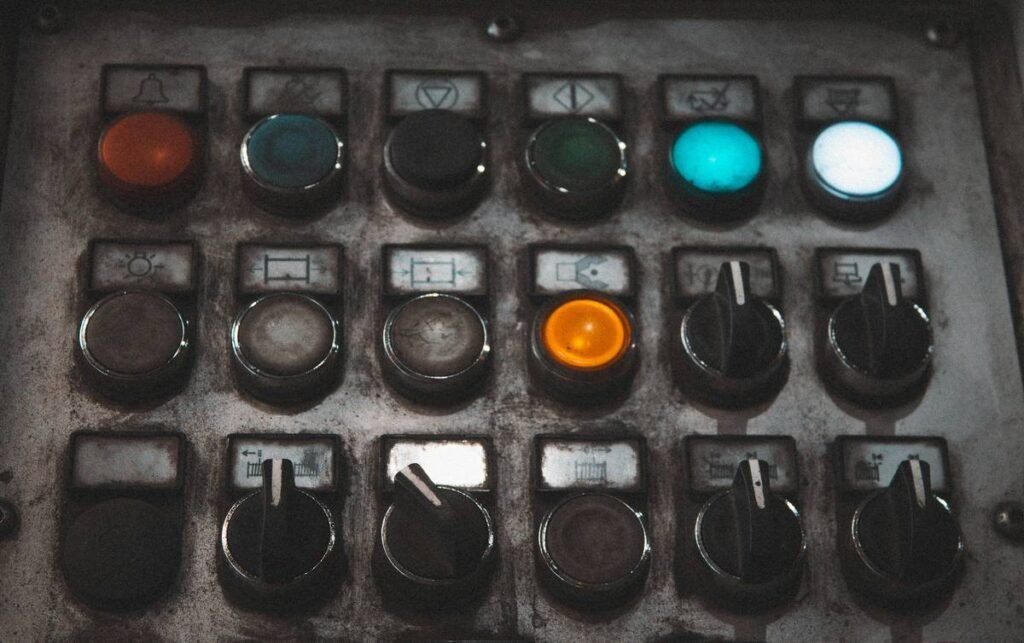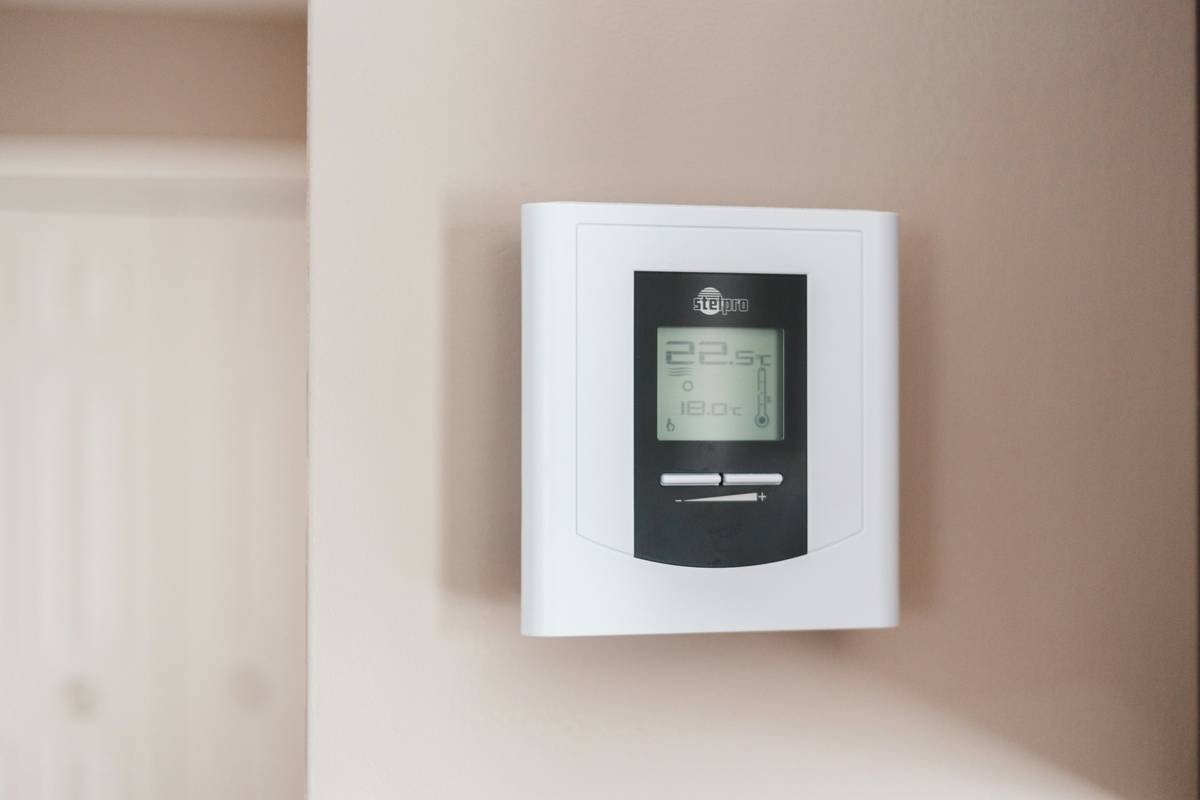
Ever stared at your thermostat, wondering why it feels like the dumbest “smart” device in your house? You’re not alone.
If you’ve got smart switches installed and are eager to take your smart home tech game up a notch, this post is for you. We’re diving deep into Smart Thermostat Tips, uncovering actionable advice, common mistakes to avoid, and even a rant or two. By the end of this article, you’ll have the tools (and humor) needed to make your smart thermostat work smarter—not harder.
What’s Ahead: From understanding how smart switches enhance your smart thermostat experience to troubleshooting unexpected quirks, we’ll cover everything from setup tips to real-world use cases. Now let’s crank up the heat—metaphorically speaking.
Table of Contents
- Key Takeaways
- Why Smart Switches Matter in Your Smart Home
- Step-by-Step Guide to Perfecting Your Smart Thermostat Setup
- 5 Best Practices for Optimizing Your Smart Thermostat & Switches
- Real-World Examples: Smarter Homes, Happier Owners
- Frequently Asked Questions About Smart Thermostats and Switches
- Conclusion
Key Takeaways
- Smart switches can significantly boost the functionality of your smart thermostat.
- Proper placement and calibration are critical for optimal performance.
- Avoid using conflicting devices on the same network to prevent latency issues.
- Schedule routine maintenance checks to keep your system efficient.
- Don’t overcomplicate settings; simplicity often yields better results.
Why Smart Switches Matter in Your Smart Home
Here’s a confession that might sting: I once accidentally paired my dishwasher with my thermostat app because of overlapping Bluetooth names. It was chaos. The sink flooded while my heating tried to cool down my living room—it was quite literally hot mess energy.
This is where smart switches come in as the unsung heroes of any smart home ecosystem. They act as bridges between appliances and central hubs like thermostats, ensuring seamless communication. Imagine turning off lights remotely via voice commands while adjusting your HVAC simultaneously—all through one smart switch!
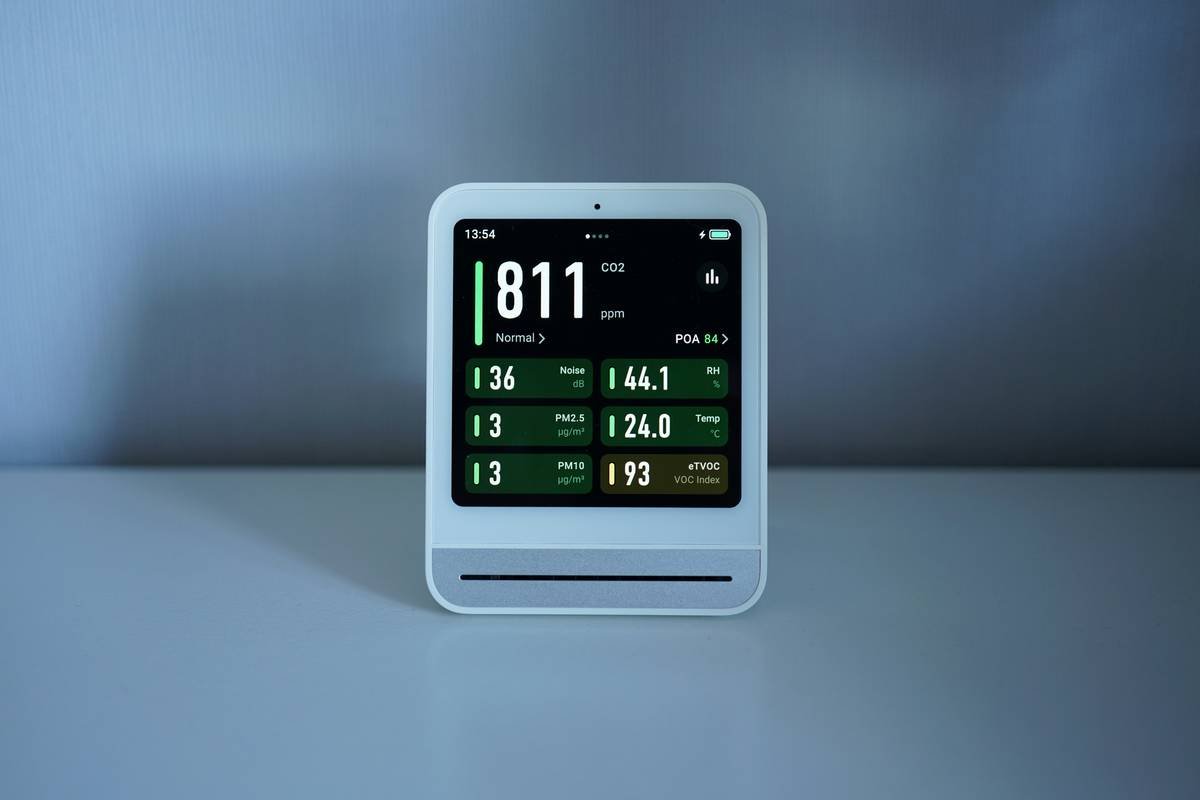
Without them, you risk creating disjointed systems that feel less intuitive than helpful.
Step-by-Step Guide to Perfecting Your Smart Thermostat Setup
Optimist You: “Follow these steps, and you’ll be set!”
Grumpy Me: “Only if coffee’s involved.” Fine, fine, here goes:
Step 1: Placement Matters
Your thermostat’s location can drastically affect its performance. Keep it away from direct sunlight, drafts, or heat sources. A central hallway or main living area is ideal.
Step 2: Pair Devices Properly
Ensure all connected devices—including smart switches—are under the same Wi-Fi network. Update firmware regularly to dodge bugs and improve compatibility.
Step 3: Customize Settings
Use geofencing features to automatically adjust temperatures based on your location. Set schedules tailored to your daily routine.
Step 4: Run Diagnostics
Most smart thermostats offer diagnostic modes to identify connectivity or hardware issues. Use this tool before calling support.
5 Best Practices for Optimizing Your Smart Thermostat & Switches
- Avoid Overloading Networks: Too many devices competing for bandwidth slows responsiveness. Prioritize essential gadgets.
- Keep Firmware Updated: Outdated software leads to vulnerabilities and poor performance.
- Test Scenarios Regularly: Simulate different conditions (e.g., power outages) to ensure reliability.
- Leverage Automation Wisely: Routines should simplify life—not complicate it further.
- Monitor Energy Usage: Many smart thermostats have energy reports to help you save money and reduce waste.
Bonus tip (but don’t say I said this): Avoid cheap knockoff accessories claiming “universal compatibility.” Trust me—they aren’t worth the headache.
Real-World Examples: Smarter Homes, Happier Owners
“After installing smart switches alongside my thermostat, my utility bill dropped by 20%,” says Sarah T., a homeowner in Austin, Texas. She credits her success to streamlined automation schedules that sync lighting and climate control without manual intervention.
Similarly, Mark R., an IT professional, uses his smart switch integration to toggle non-essential electronics during peak hours, reducing strain on his electrical grid.
Frequently Asked Questions About Smart Thermostats and Switches
Q: Can I connect incompatible switches to my smart thermostat?
Absolutely not. Compatibility matters more than convenience. Stick to brands known for interoperability.
Q: Is there a limit to the number of devices I can pair with my thermostat?
While most modern thermostats support multiple connections, too many could overload the system. Aim for quality over quantity.
Q: Why does my thermostat keep dropping offline?
This usually stems from weak Wi-Fi signals or outdated firmware. Move the router closer or update software accordingly.
Conclusion
By now, you should feel equipped to tackle Smart Thermostat Tips, especially when integrating smart switches into the mix. Whether you’re troubleshooting pesky connectivity problems or designing elegant automation flows, remember: small tweaks lead to significant improvements.
One final thought (cue dramatic pause): Don’t let shiny new features distract from what truly matters—a comfortable, functional home. After all, technology exists to serve us—not vice versa.
Like overhearing dial-up tones again, sometimes vintage methods still hold wisdom. Happy tweaking!
*This post brought to you by someone who once spent three days debugging their toaster.* 🍞
Haiku Time:
Thermostats whisper,
Switches dance with lightbulbs bright,
Home hums soft harmony.