Ever stood in your living room, staring at the blinking lights of forgotten gadgets sucking up electricity like it’s free? Yeah, me too. And then it hit me—what if my home could be smarter than my bad habits? Enter the energy efficient smart switch, the unsung hero of modern households. Whether you’re a tech enthusiast or just someone trying to cut down on utility bills (hello, rising energy costs!), this blog will guide you through everything you need to know about these magical devices.
By the end of this post, you’ll understand why upgrading to energy efficient smart switches is worth every penny, how they work, and how to choose the best one for your space. Plus, I’ll throw in some tips, mistakes to avoid, and even a confessional fail from my own journey into smart home tech.
Table of Contents
- Introduction
- Key Takeaways
- Section 1: The Overlooked Energy Drain in Your Home
- Section 2: How to Choose and Install an Energy Efficient Smart Switch
- Section 3: Top Tips for Maximizing Efficiency
- Section 4: Real-Life Success Stories
- Section 5: FAQs About Energy Efficient Smart Switches
- Conclusion
Key Takeaways
- An energy efficient smart switch can save up to 20% on your monthly electricity bill.
- Not all smart switches are created equal; look for compatibility, wattage requirements, and advanced features like scheduling.
- Common mistakes include buying incompatible models or ignoring installation instructions (*guilty as charged*).
- Smart switches reduce phantom loads—those sneaky energy drains from idle appliances.
- You don’t need to rewire your entire house; many options are DIY-friendly!
The Overlooked Energy Drain in Your Home
Let’s talk about something we’ve all ignored: phantom loads. You know, those electronics plugged in but “off” that quietly drain power 24/7. My biggest oops moment? Leaving a gaming console on standby mode overnight—and realizing it cost me $15 extra on my electric bill. That was the day I decided to invest in a smarter solution.
According to the U.S. Department of Energy, phantom loads account for 5-10% of residential energy usage. To put it another way: If your annual energy bill is $1,200, you could lose anywhere from $60-$120 annually due to vampire energy. Imagine using that cash instead to, I don’t know, buy tacos?
This is where energy efficient smart switches shine. These devices cut off phantom loads automatically when appliances aren’t actively in use, helping you save money without lifting a finger.
How to Choose and Install an Energy Efficient Smart Switch
“Optimist Me:” Let’s Get Started!
Selecting the right smart switch isn’t rocket science—it’s more like making coffee in the dark after pulling an all-nighter. Follow these steps:
“Grumpy Me:” Fine, But Only if Coffee’s Involved…
No judgment if you skip the first step and head straight for caffeine.
- Check Compatibility: Is your wiring compatible? Most smart switches require neutral wires. Check yours before purchasing.
- Consider Features: Scheduling, voice control, remote access—are these luxuries or necessities for you?
- Wattage Requirements: Ensure the switch matches the appliance’s voltage needs. For example, high-powered appliances like air conditioners might need specialized switches.
- DIY Installation: Many models come with detailed guides, so no need to pay an electrician unless things get dicey.
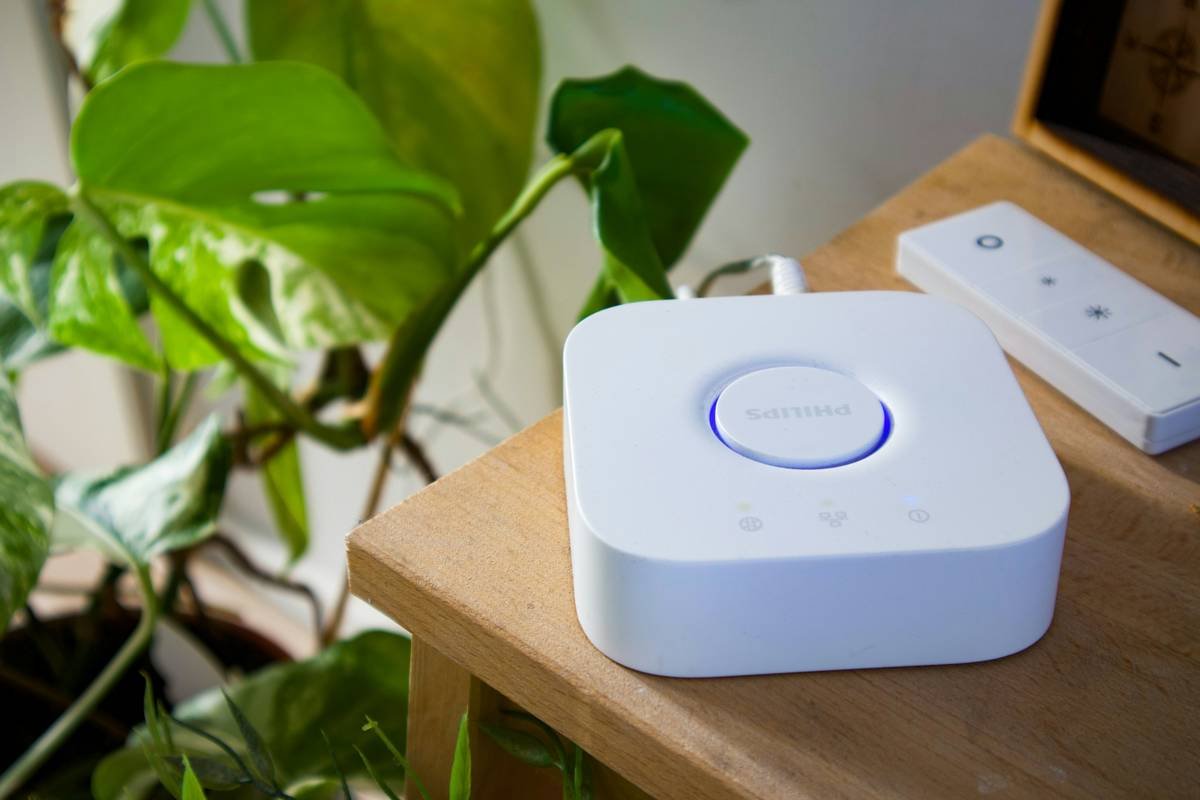
- Brand Reputation: Stick to trusted brands like Philips Hue, Lutron, or TP-Link Kasa. They offer better integration and customer support.
Top Tips for Maximizing Efficiency
If you really want to make the most of your energy efficient smart switch, here’s what worked (and didn’t) for me:
- Schedule Everything: Set timers for non-critical appliances like lamps, chargers, and media consoles to ensure they turn off during peak hours or at night.
- Create Scenes: Group multiple switches together for easy control. For instance, create a “bedtime” scene that turns off all lights and cuts phantom loads simultaneously.
- Monitor Usage: Use apps connected to your smart switch to track real-time energy consumption. Knowledge = Power (literally).
- Avoid Overloading Circuits: Don’t connect high-wattage items directly to a single switch. Learn from my mistake—I fried a switch once by connecting too many devices.
- Rant Alert: Why do manufacturers still sell non-smart switches?! It’s time to phase them out already.
Real-Life Success Stories
Take Sarah, a homeowner from California who installed six energy efficient smart switches across her living room and kitchen. Within three months, she noticed a 15% drop in her energy bill. Her secret? She scheduled her smart switches to completely shut off non-essential electronics between 9 PM and 7 AM.
Or consider Mark, a small business owner who used smart switches to manage lighting and equipment in his office. He saved over $500 annually just by automating shutdowns during holidays and weekends.
FAQs About Energy Efficient Smart Switches
Do I Need Wi-Fi for an Energy Efficient Smart Switch?
Most models require Wi-Fi for full functionality, especially if you want remote access or app connectivity. However, simpler switches may only need Bluetooth.
Can I Install One Myself?
Absolutely! As long as you follow safety guidelines and check your home’s wiring compatibility, DIY installation is usually straightforward.
Will This Work With Voice Assistants?
Yes! Popular voice assistants like Alexa, Google Assistant, and Siri integrate seamlessly with most smart switches.
Conclusion
The energy efficient smart switch is no longer a luxury—it’s a necessity for anyone looking to modernize their home while cutting costs. From eliminating phantom loads to offering automation features that fit our busy lives, these devices truly earn their keep. So whether you’re motivated by saving money, reducing environmental impact, or simply wanting a sleek upgrade, now’s the perfect time to make the switch.
“And remember,” says Optimist Me, *“smart homes start with smart choices.”*
“Yeah, yeah,” grumbles Grumpy Me, “as long as there’s coffee brewing somewhere nearby.”
Like dial-up internet, old-school switches belong in museums—go ahead, embrace the future.
Whisper quiet rooms,

Smart switches save watts unseen,

Nighttime dreams brighter.