Ever tried replacing a light switch and realized you might as well need an electrical engineering degree? Yeah, us too. The good news? Wireless installation makes upgrading to smart switches easier than ever—and you don’t have to tear apart your walls or call an electrician.
In this guide, we’ll demystify the process of wireless installation, focusing on smart switches. You’ll learn how to choose the right switch, install it without breaking a sweat, and maximize its features for a truly futuristic home. So grab your toolkit (and maybe a cup of coffee), because smarter living starts here.
Table of Contents
- Why Wireless Installation Matters
- Step-by-Step Guide to Wireless Installation
- Tips & Best Practices for Seamless Setup
- Real-Life Examples of Smart Switch Success
- Frequently Asked Questions About Wireless Installation
Key Takeaways
- Wireless installation eliminates the need for complex wiring and wall damage when setting up smart switches.
- Compatibility with existing devices and stable connectivity are crucial factors when choosing a smart switch.
- Proper placement and signal optimization can enhance performance and avoid interference issues.
Why Wireless Installation Matters
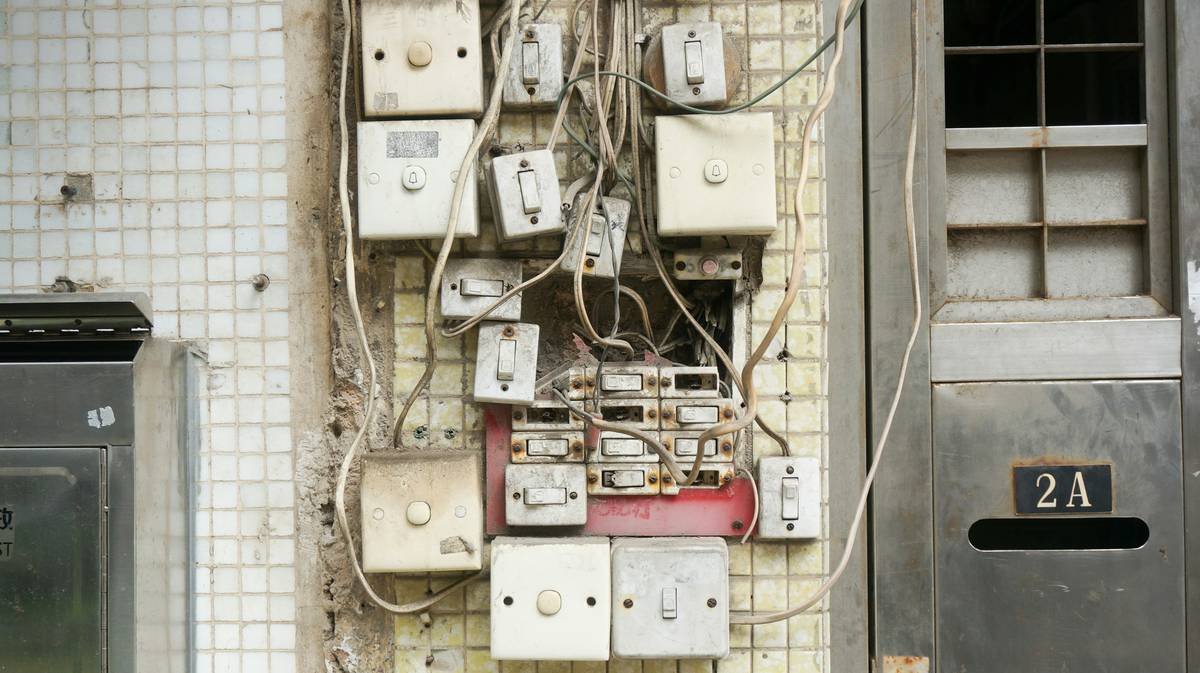
Imagine controlling every light in your house from your phone while lying in bed—or automating them to turn off automatically when no one’s home. That’s the promise of smart switches, but let’s face it: traditional wired installations can feel like a nightmare if you’re not an expert. Drill through drywall? Rewire circuits? No thanks.
This is where wireless installation shines. By leveraging protocols like Zigbee, Z-Wave, or Wi-Fi, modern smart switches bypass the hassles of physical wiring. They communicate wirelessly with hubs or directly to your router, making setup clean and straightforward.
Step-by-Step Guide to Wireless Installation
Step 1: Choose the Right Smart Switch
Confessional Fail: I once bought a fancy smart switch only to realize it wasn’t compatible with my neutral-wire-free setup. Lesson learned? Always check compatibility first!
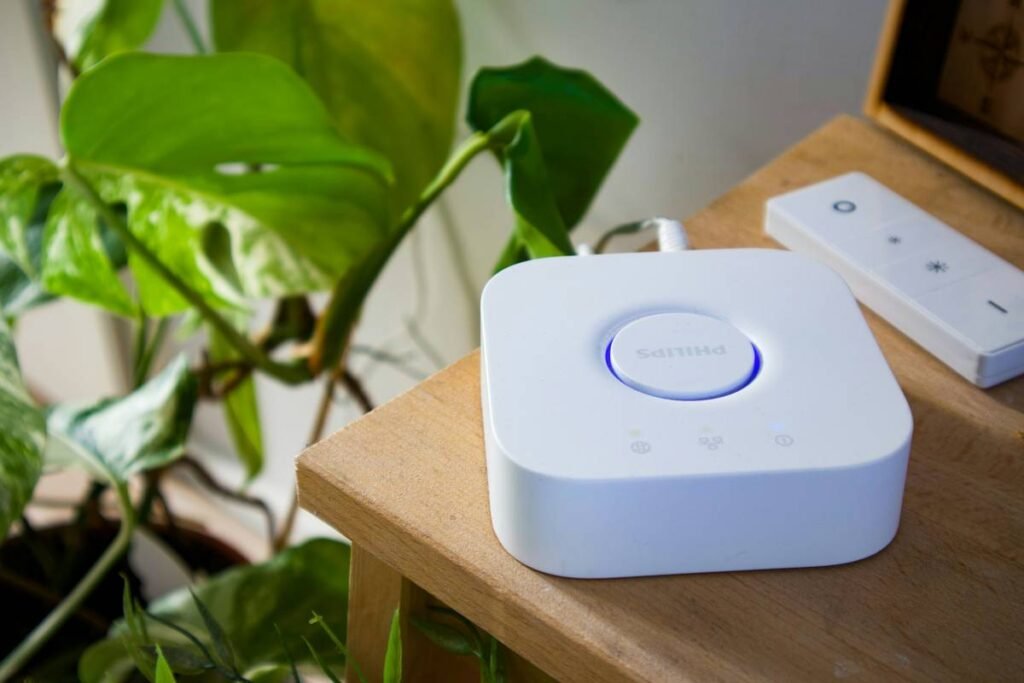
Before buying, ensure the switch works with your home’s wiring type (neutral vs. non-neutral) and supports your preferred ecosystem (Google Home, Alexa, etc.). Popular options include Philips Hue, Lutron Caséta, and TP-Link Kasa.
Step 2: Turn Off Power at the Circuit Breaker
Safety first! Locate your breaker panel and flip the switch that controls the room you’re working in. Use a voltage tester to confirm there’s no power flowing.
Step 3: Remove the Old Switch
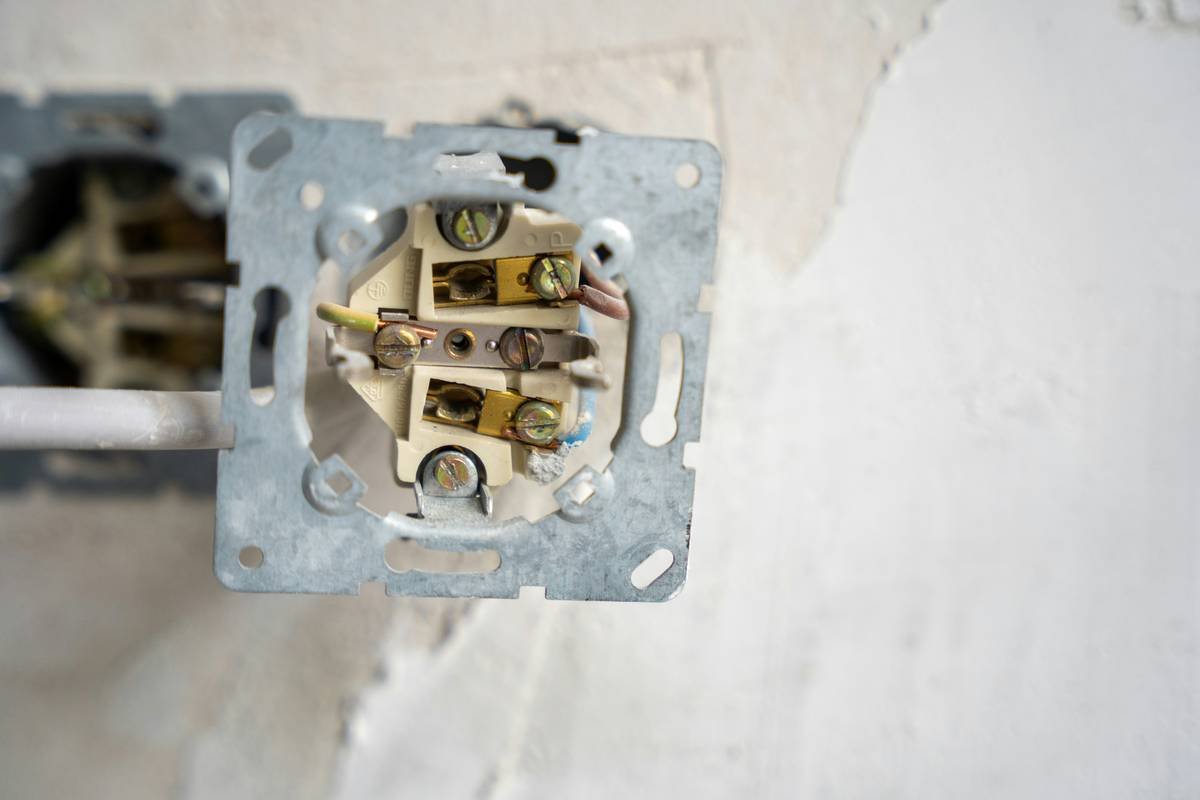
Unscrew the faceplate and gently pull out the old switch. Disconnect any wires attached, taking note of their positions for later reference.
Step 4: Mount the Smart Switch
Attach the new switch using the provided screws. If required, connect the wires according to the manufacturer’s instructions. Some models simply clip into place.
Step 5: Pair the Device
Download the corresponding app, follow the pairing instructions, and assign the switch to your network. Voilà—your smart switch is ready to go!
Tips & Best Practices for Seamless Setup
- Pick the Right Spot: Optimize range by placing switches near routers or extenders.
- Don’t Overload Networks: Too many connected devices can slow down communication; prioritize essential ones.
- Avoid Interference: Keep smart switches away from microwaves, cordless phones, and other gadgets operating on similar frequencies.
- Terrible Tip Alert: Skip reading manuals…until something goes wrong. (Trust me, it happens.)
Grumpy Optimist Dialogue:
Optimist You: “These tips will make your life so much easier!”
Grumpy You: “Ugh, fine—but only if snacks are involved.”
Real-Life Examples of Smart Switch Success
Jane, a busy mom of three, installed wireless smart switches throughout her home after struggling with bulky lamps cluttering her outlets. Now, she uses voice commands to dim the lights during movie nights, saving energy and reducing noise pollution. Her favorite feature? Scheduling bedtime routines for her kids’ rooms.
Frequently Asked Questions About Wireless Installation
Q: Can I use wireless smart switches without a hub?
A: Yes, many switches operate independently via Wi-Fi. However, hubs offer better stability and additional functionalities.
Q: What happens if my internet goes down?
A: Most smart switches retain basic functionality even offline, though remote access requires internet connectivity.
Q: Are wireless installations secure?
A: Modern switches employ encryption protocols to protect against hacking attempts. Still, always update firmware regularly.
Conclusion
Upgrading your home with wireless installation for smart switches offers convenience, efficiency, and peace of mind. From seamless step-by-step guidance to insider tips, this guide arms you with everything you need to transform your space into a fully automated sanctuary.
So what are you waiting for? Dive into the world of smart switches today—and remember, like a Tamagotchi, your tech thrives on TLC.
—
Final Haiku:
Smart switches whisper,
Lights fade, rooms fall quiet.
Future lives within.